Whether you're organizing a corporate event, a team meeting, or a private dinner, choosing the right meeting room is essential to creating a successful and memorable experience. Meeting rooms come in various types, from cozy boardrooms to expansive ballrooms, and offer a range of amenities to suit your needs. In this article, we will discuss the factors to consider when selecting meeting spaces, the benefits of different venues, and how to find the best location and facilities for your event. We’ll also cover essential features, such as catering, function spaces, and pricing.
The Importance of Choosing the Right Meeting Room
When organizing any event, selecting the perfect meeting venue can significantly impact the experience of attendees. A well-chosen meeting room not only enhances engagement but also reflects positively on your organization. The right setting can elevate the event, make participants feel comfortable, and allow for effective collaboration. With various meeting rooms, boardrooms, and function spaces available, you can tailor your venue selection to align with the goals of your meeting or event.
Types of Meeting Venues
Boardrooms: A traditional boardroom is an ideal setting for formal meetings or corporate gatherings with a smaller number of attendees. Typically, boardrooms are equipped with a long table, comfortable chairs, and essential audiovisual facilities. Many hotels offer private boardroom spaces with amenities like projectors, whiteboards, and Wi-Fi connectivity, ensuring a productive meeting environment.
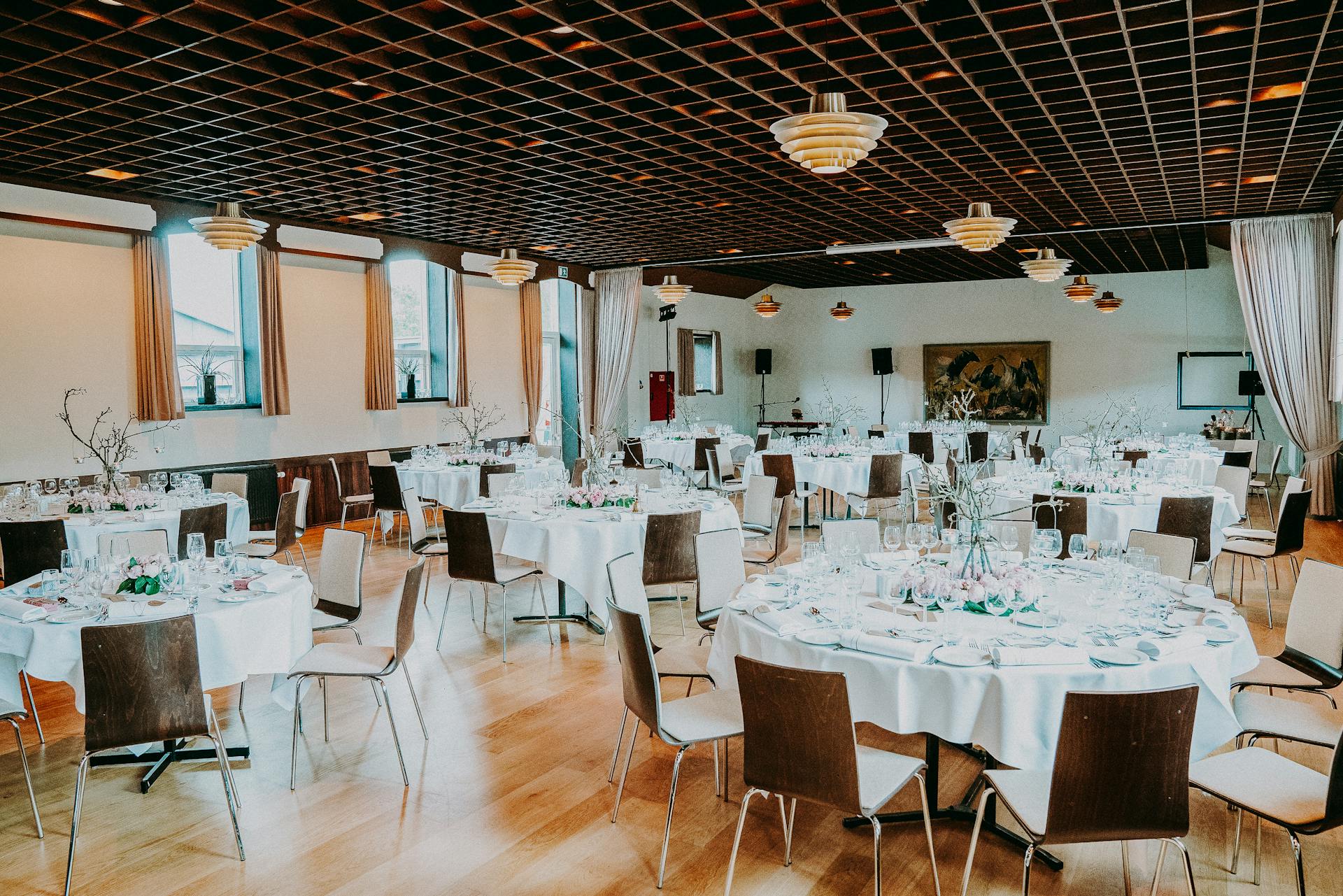
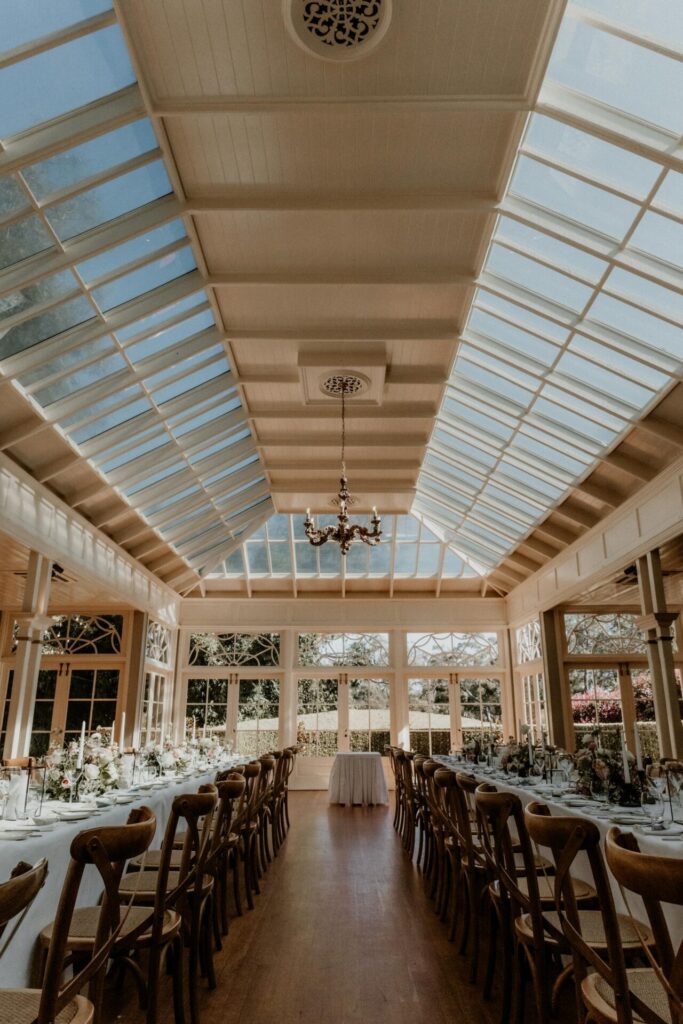
- Ballrooms: If you're hosting a large-scale event, such as a corporate conference, award ceremony, or gala dinner, a ballroom provides an elegant and spacious setting. Ballrooms in hotels and dedicated meeting venues often come with versatile layout options, making them adaptable to both seated dinners and standing receptions.
- Function Spaces: Function spaces are versatile meeting spaces that can cater to different types of events, from networking sessions to corporate parties. These spaces can often be customized with movable partitions, lighting, and sound equipment to create the perfect atmosphere for your gathering.
- Small Meeting Rooms: For more intimate or casual gatherings, smaller meeting rooms are often the best choice. These spaces are perfect for team meetings, interviews, and brainstorming sessions. Many venues offer small meeting rooms with convenient amenities, providing everything you need without unnecessary extras.
Key Considerations for Choosing a Meeting Room
With numerous venue spaces available, it’s essential to consider specific factors to help you narrow down your options. Here are some critical aspects to evaluate when selecting a meeting room or venue:
- Location: One of the first considerations should be the venue’s location. Choosing a location that is easily accessible for all attendees is vital. Hotels and other meeting venues in central or well-connected areas often make it easier for participants to arrive on time and avoid long commutes.
- Facilities and Amenities: The facilities available in a meeting room play a significant role in determining its suitability. Audiovisual equipment, Wi-Fi, whiteboards, and comfortable seating are some of the basic requirements. Advanced amenities like breakout rooms, video conferencing setups, and adjustable lighting can enhance the meeting experience. Additionally, consider whether the venue offers on-site technical support to assist with any last-minute adjustments.
- Catering Services: Catering is essential, especially for longer meetings or full-day events. Many meeting venues, especially those in hotels, provide in-house catering with a variety of meal options. Offering coffee, refreshments, and dining options can help keep participants energized and engaged. For evening events, some venues can arrange formal dining setups, allowing for a seamless transition from business to a more social setting.
- Pricing: Meeting room pricing varies based on the type of space, facilities, and duration. To stay within budget, it’s wise to research multiple venues and inquire about any packages they may offer, including half-day or full-day rental options. Additionally, check if the venue includes amenities like parking, Wi-Fi, and technical support in the pricing or if these come at an extra cost.
- Flexibility: Depending on your event, flexibility in terms of room layout and usage might be essential. Some venues offer movable furniture and partitions to create the perfect room setup, whether you need a theater-style arrangement, round tables, or a U-shaped configuration. Venues that offer flexible setup options can adapt to different events, making them versatile for various corporate and social functions.
Meeting Venues in Hotels
Hotels are often the preferred choice for meeting venues due to their full-service amenities and central locations. Many hotels feature a range of meeting spaces, from intimate boardrooms to grand ballrooms, making them suitable for various event sizes and formats. With added services like catering, accommodation, and technical support, hotels provide a convenient, all-in-one solution for hosting successful events.
- Boardrooms in Hotels: Hotel boardrooms are well-equipped for professional meetings and presentations. These private meeting rooms offer quiet, undisturbed environments with high-quality furnishings and essential tools. Whether it's a presentation to potential clients or a company-wide strategy session, boardrooms in hotels allow for focused discussions.
- Ballrooms for Large Events: For larger gatherings, hotel ballrooms are ideal due to their size and flexibility. Many hotels have ballrooms with stunning interiors, adaptable lighting, and audio systems, making them suitable for formal dinners, awards ceremonies, and large conferences. By booking a ballroom, you also gain access to hotel staff who can assist with event setup, guest check-in, and catering arrangements.
- Meeting Packages and Pricing: Hotels typically offer meeting packages that include room rental, equipment, refreshments, and sometimes even overnight stays for out-of-town attendees. These packages can be cost-effective, providing all the essentials in one inclusive rate. Inquire about special discounts or off-peak pricing if your event is flexible with dates.
Choosing the Perfect Meeting Space
Selecting the best meeting space involves balancing your event’s needs with the available amenities. A private, quiet boardroom might be ideal for smaller team meetings, while a ballroom may be the right fit for a large annual gathering. Many venues offer dedicated event planning assistance, ensuring that everything from room setup to catering meets your expectations. By working closely with the venue staff, you can tailor the space to align with your event’s objectives.
Additional Amenities and Services
In addition to the basic facilities, some venues offer extra amenities that can add value to your event:
- Technical Assistance: For events with complex audiovisual needs, many venues offer on-site technical support to ensure smooth setup and troubleshooting.
- Breakout Rooms: For larger events, breakout rooms provide spaces for small group discussions, workshops, or one-on-one meetings, making them valuable in team-building or training sessions.
- Recreational Facilities: If the meeting is part of a multi-day event, venues with access to recreational facilities like a gym or pool can enhance attendees’ overall experience.
Tips for Creating an Engaging Meeting Environment
Creating a welcoming and productive environment in your meeting space can help achieve your event goals. Here are some tips:
- Optimize Lighting: Bright, adjustable lighting can improve focus, while softer lighting is suitable for less formal, social events.
- Plan Seating Arrangements: Arrange seating to promote interaction, whether through a roundtable setup for discussions or a theater style for presentations.
- Use Visual Aids: Presentation equipment, including projectors and interactive displays, can enhance understanding and keep attendees engaged.
Conclusion
Selecting the ideal meeting room requires thoughtful consideration of various factors, including location, facilities, and budget. With numerous options, from private boardrooms in hotels to expansive ballrooms, finding the right venue can elevate the experience for all participants. By focusing on essential amenities like catering, flexible room setups, and technical support, you can create an environment that fosters productivity, collaboration, and engagement. Whether it’s a small boardroom meeting or a grand dinner event, the right meeting space can make all the difference in delivering a successful and memorable gathering.